

In medical device manufacturing, quality is not a goal, it’s a requirement. Every component must meet strict standards for safety, performance, and traceability. That’s where ISO 13485:2016 comes in.
For companies specializing in precision welding, this certification plays a critical role in ensuring that every weld meets the high expectations of the medical industry.
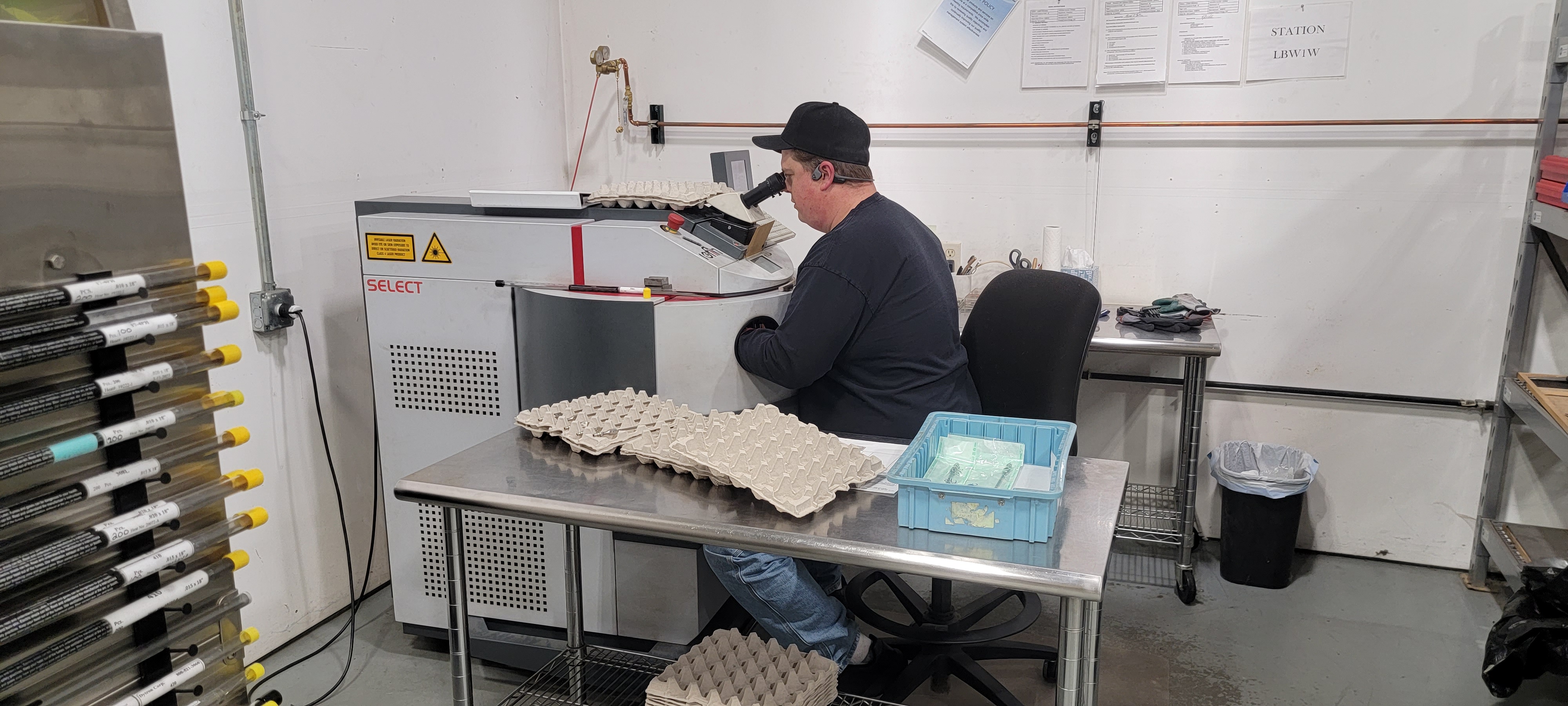
What is ISO 13485:2016?
ISO 13485:2016 is an internationally recognized quality management standard specifically designed for medical device manufacturers and their suppliers.
It focuses on:
- Risk management
- Process validation
- Regulatory compliance
- Traceability and documentation
- Consistent product quality
Unlike general quality standards, ISO 13485 is tailored to the unique demands of medical applications, where even the smallest defect can have serious consequences.
Why It Matters in Medical Welding
Medical welding often involves small, complex components made from materials like stainless steel, titanium, and other specialty alloys. These parts are commonly used in implantable devices, surgical instruments, and diagnostic equipment, where weld integrity is critical.
ISO 13485:2016 ensures that welding processes are controlled, repeatable, and fully documented. This level of oversight reduces variability and helps ensure that every welded component performs exactly as intended.
Process Control and Validation
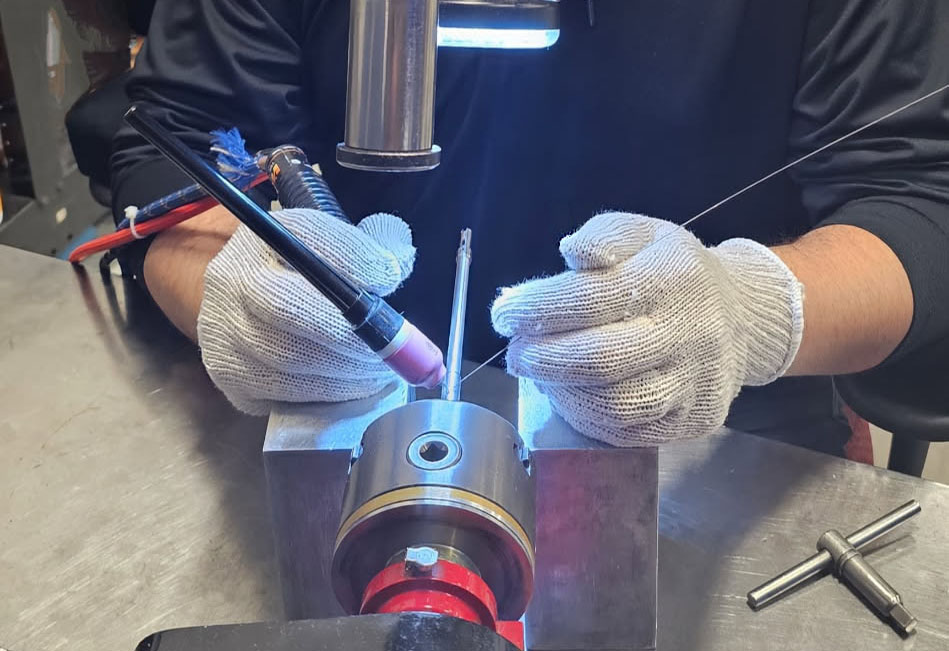
One of the core principles of ISO 13485:2016 is process validation, especially for processes like welding that cannot always be fully verified through inspection alone.
For fusion welding processes such as TIG (GTAW) and laser beam welding, this means establishing documented welding parameters, qualifying procedures and operators, and maintaining strict equipment calibration. Ongoing monitoring and quality checks further ensure that each weld meets required standards.
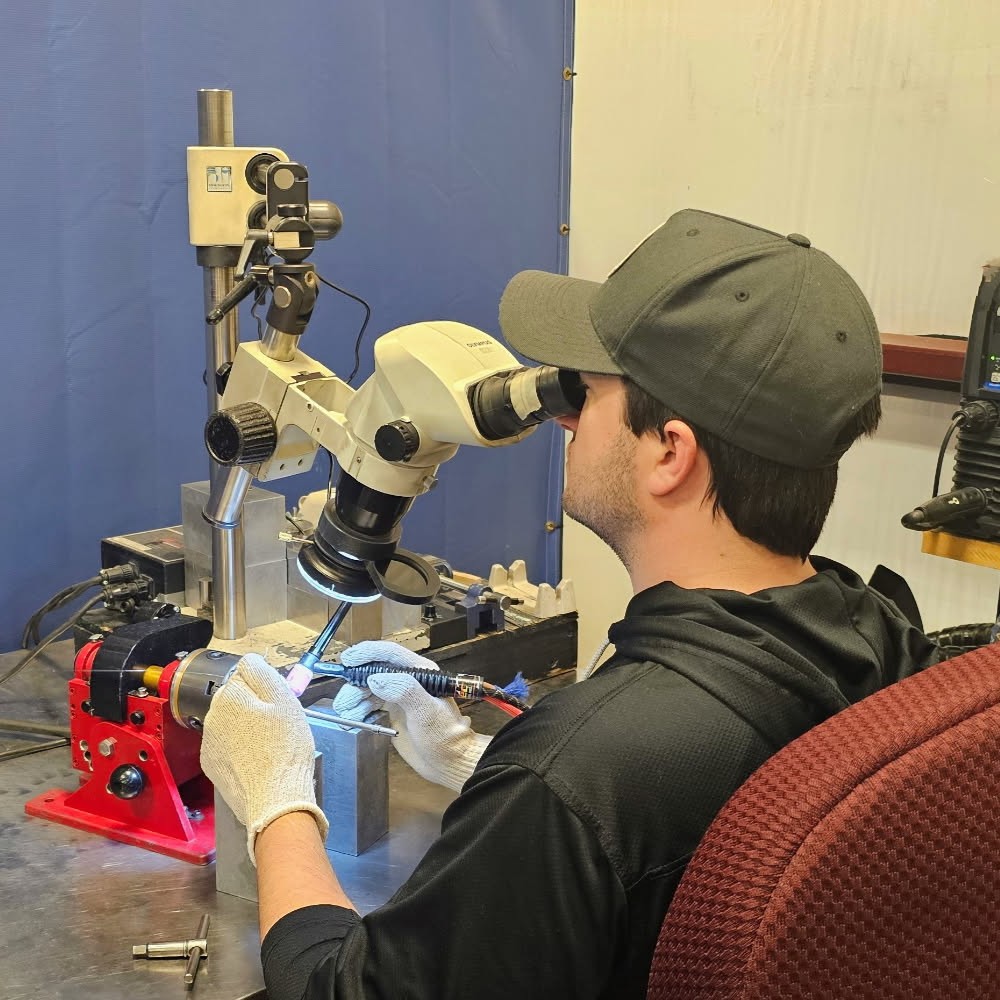
By validating these processes, manufacturers can confidently produce consistent, high-quality welds across production runs.
Traceability and Documentation
Traceability is a cornerstone of medical manufacturing.
ISO 13485:2016 requires detailed documentation for:
- Materials used
- Welding parameters
- Operator qualifications
- Inspection results
This creates a complete record for every component, ensuring accountability and making it easier to address any issues if they arise.
Reducing Risk in Critical Applications
Medical devices operate in environments where failure is not an option. ISO 13485:2016 emphasizes risk-based thinking, helping manufacturers identify and mitigate potential issues before they impact product performance.
In welding, this means:
- Controlling heat input to prevent material degradation
- Avoiding contamination or defects
- Ensuring the structural integrity of every joint
This proactive approach supports both patient safety and regulatory compliance.
How Microtech Delivers Quality You Can Trust
At Microtech Welding, ISO 13485:2016 certification reflects a commitment to precision, consistency, and accountability in every project. By combining certified quality systems with advanced fusion welding processes, we deliver high-precision welds for complex components while maintaining repeatable results across production.
Every project is supported by thorough documentation and full traceability, ensuring compliance with industry standards. In medical welding, quality goes beyond appearance. It’s about performance, reliability, and regulatory confidence. ISO 13485:2016 provides the framework to achieve all three, ensuring every weld is backed by proven processes and measurable results.
Have a complex weld? We've probably done it.