

When performance under extreme conditions is non-negotiable, Inconel is often the material engineers reach for. This family of nickel-based superalloys is built to withstand high heat, pressure, and corrosion in environments where most metals would fail. It's also one of the more demanding materials to weld, and understanding why matters when you're selecting a welding partner.
What Makes Inconel Challenging
Inconel's toughness in the field works against it at the weld joint. A few characteristics stand out:
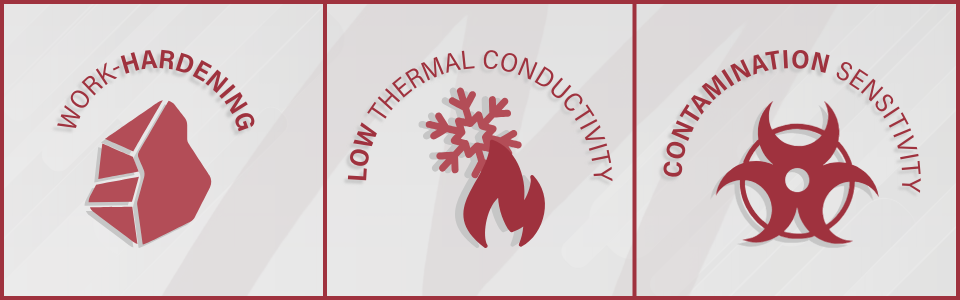
- It work-hardens rapidly. As heat and mechanical stress are applied, the material stiffens, requiring careful process control to avoid compromising the joint.
- It has low thermal conductivity. Rather than dispersing throughout the part, heat concentrates in the weld zone. Without precise management of heat input, this can lead to cracking, distortion, and residual stress.
- It's sensitive to contamination. Trace amounts of moisture, oil, or surface oxidation can introduce porosity and defects. A clean, controlled processing environment is essential, not optional.
These characteristics don't make Inconel unweldable. They make process selection and execution critical.
Choosing the Right Process
Two processes are well-suited for Inconel depending on the application: Laser Beam Welding (LBW) and Micro TIG (GTAW).
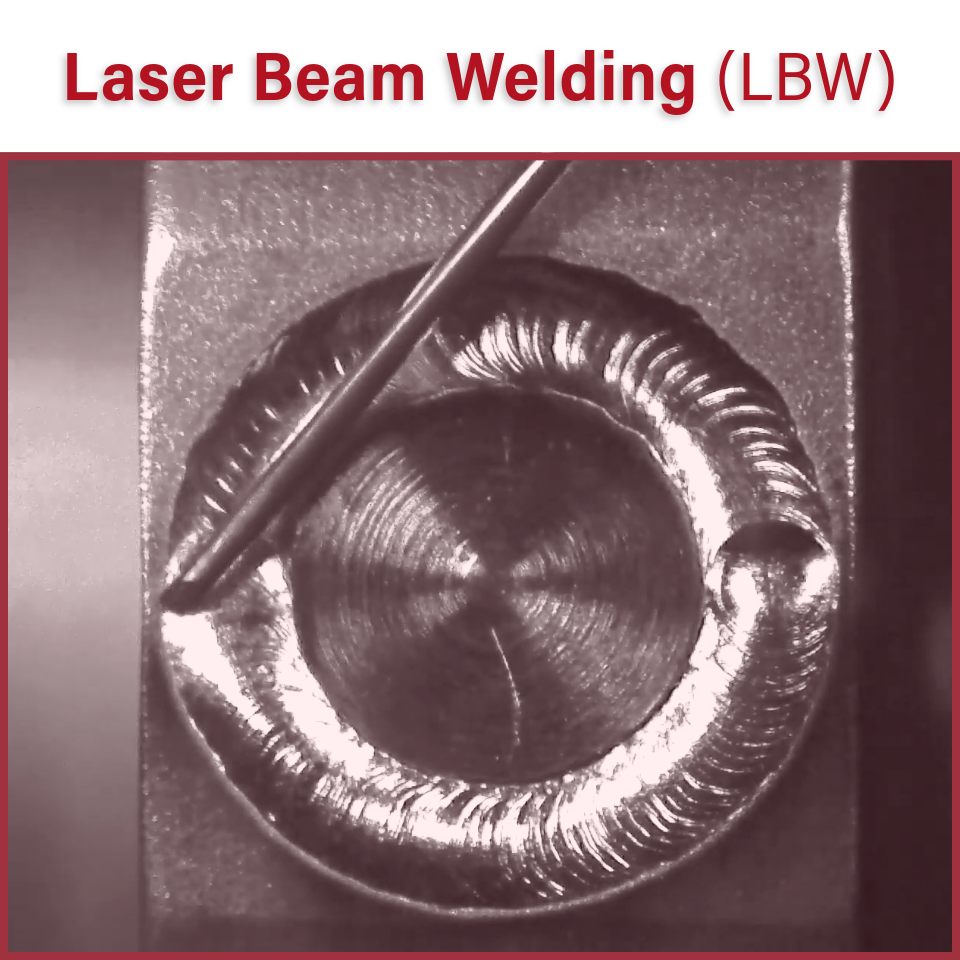
LBW's highly focused heat source minimizes the heat-affected zone, reducing the risk of distortion and cracking. This is particularly valuable for thin-walled components or assemblies with tight dimensional tolerances.
For applications requiring material buildup, deeper penetration, or structural reinforcement, Micro TIG provides the arc control and bead precision needed to manage Inconel's thermal behavior effectively.
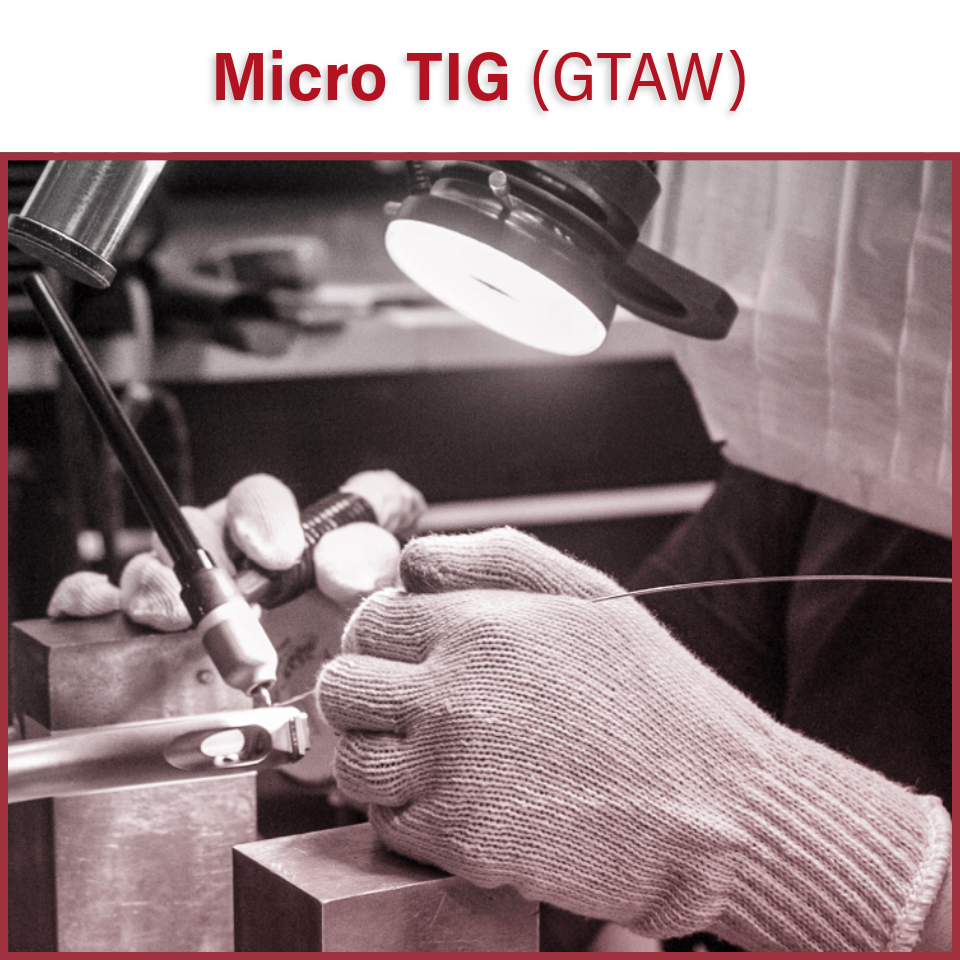
In both cases, clean facility conditions, documented welding parameters, and certified operators are baseline requirements for consistent, defect-free results.
Inconel Applications
Inconel's combination of high-temperature strength and corrosion resistance makes it a common material across demanding applications: exhaust manifolds, turbo housings, heat shields, engine components, and mission-critical subassemblies in aerospace and defense. It also appears in high-performance industrial equipment operating under sustained extreme conditions.
For engineers sourcing welding services for these applications, process capability alone isn't enough. Traceability, documented welding procedures, and certified operators are typically required, and the quality system behind the work matters as much as the weld itself.
How Microtech Approaches High-Performance Alloys
At Microtech, both LBW and Micro TIG are core capabilities, supported by experienced, certified welders and an ISO 9001:2015 quality management system that governs process documentation, operator qualification, and traceability.
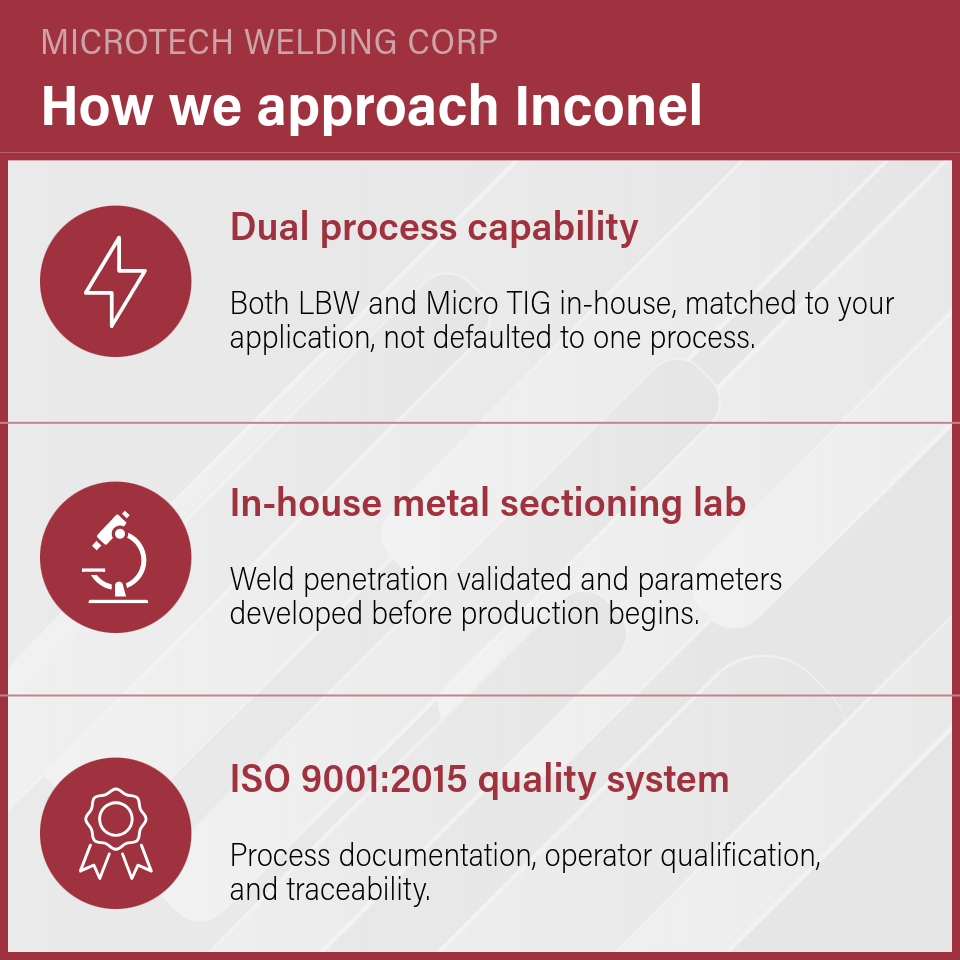
Our in-house metal sectioning lab allows us to validate weld penetration and develop processes before production begins, reducing qualification time and giving customers confidence in the results.
These aren't capabilities we developed for a single industry. They're the foundation of how we work across every material and application we take on.
Working with Inconel or other high-performance alloys? Contact Microtech to discuss your project.